

Main Content
Barnstable County, Ma Housing Market
- $630,000 Yarmouth Lowest
- $830,000 Countywide Median
- $1,399,000 Provincetown Highest
- $345 Bourne Lowest
- $534 Countywide Median
- $822 Chatham Highest
- 3 no. of baths
- 2.5 no. of baths
- 1,600-2,200 square feet
Where IsCape Cod?
Cape Cod sits at the southeastern edge of Massachusetts, forming a 65-mile-long peninsula that reaches into the Atlantic.
Located entirely within Barnstable County, it comprises 15 towns across 418 square miles.
The year-round population of roughly 215,000 swells seasonally to 500,000–700,000, reflecting its mix of residential and vacation living.
While it’s officially part of the county, life on the Cape follows a unique coastal rhythm, shaped by tides, seasons, and long-standing maritime traditions, enhanced by charming villages, scenic beaches, and excellent access to boating, ferries, and regional transportation.
Table of Contents
How do you get toCape Cod?
From Boston, the Cape is about a 1.5 to 2-hour drive, depending on traffic and time of year. Providence sits about 2.5 hours away, making the Cape a practical retreat for New Englanders who want coastal living without giving up access to major cities.
The journey itself is part of the experience, funneling through the Sagamore and Bourne Bridges, the two gateways that define arrival, departure, and summer traffic patterns. Once across the bridges, the Cape opens into a collection of towns and villages, each with its own character.
-
Hyannis acts as a central hub, with ferry terminals, marinas, and a steady pulse of maritime activity.
-
Chatham and Orleans lean classic and coastal, known for historic homes, quiet streets, and walkable village centers.
-
Falmouth blends beach culture with year-round neighborhoods.
-
Sandwich carries centuries of history alongside cranberry bogs and wooded trails.
-
Further out, Wellfleet and Provincetown feel more rugged and artistic, where dunes, galleries, and dramatic ocean views take center stage.village centers.
Ferries connect the Cape to Martha’s Vineyard and Nantucket, reinforcing its appeal to second-home buyers and seasonal residents. Regional airports and ferry terminals make coming and going manageable even in peak season, if you know the rhythms.
Together, these towns form a patchwork of lifestyles and price points within the Cape Cod real estate market, from modest cottages to waterfront homes shaped by wind, salt, and time. Here, life is guided by the sea and the seasons.
How did cape cod Evolve into a summer getaway?
Cape Cod became a summer destination when late-19th-century rail lines and steamships made it easily accessible to city residents seeking coastal escape.
Long before that shift, European settlers in the 1600s established the Cape as a working coastline centered on fishing, whaling, and shipbuilding. These roots are still visible today in its weathered shingle homes, working docks, and harbors where commercial boats share space with pleasure craft.
As access improved, families from Boston, New York City, and other East Coast hubs began arriving seasonally, drawn by the beaches, fresh air, and slower pace. Over time, those summer visits turned into longer stays. Older adults settled in, followed by artists and writers inspired by the Cape’s light, dunes, and open space.
That layered evolution, from maritime hub to seasonal retreat to enduring residential community, is what gives Cape Cod real estate its lasting appeal. Buyers know that they’re becoming part of a place shaped by generations of coastal living.

What isCape Cod known for?
Cape Cod is known for its long sandy beaches, rolling dunes, and historic lighthouses along the Atlantic coast.
The Cape Cod National Seashore protects over 40 miles of coastline, while inland areas feature cranberry bogs, salt marshes, and tidal estuaries.
Visitors enjoy boating, fishing, kayaking, and paddleboarding, often in quieter waters with no jet skis. Arts and culture thrive in towns like Provincetown, Wellfleet, and Chatham, with galleries, theaters, festivals, and whale-watching tours. Its natural beauty, historic charm, and active lifestyle make Cape Cod a sought-after destination for vacationers, second-home buyers, and year-round residents.
- Coastal peninsula in southeastern Massachusetts
- Miles of public beaches, dunes, and protected shoreline
- Mix of vacation homes, second homes, and year-round residences
- Easy ferry access to Martha’s Vineyard and Nantucket
- Boating, fishing, kayaking, and sailing culture
- Active arts scene and historic village centers
- Four-season lifestyle with quieter off-season living
- Strong long-term demand for Cape Cod homes
- High demand from second-home and vacation buyers
- Seasonal market with peak spring and summer activity
- Beach access and proximity heavily influence value
- Short-term rental potential drives buyer interest
- Septic systems and Title V inspections are common
- Flood zones and insurance considerations matter
- Furnished, turnkey homes often sell faster
- Bridge access and town location affect pricing
Cape Cod Real Estate Market
Cape Cod’s real estate market moves with the seasons. Summer brings vacation buyers and second-home seekers, while off-season attracts year-round residents.
Median prices vary by town, with waterfront homes and estates commanding premium values.
Cape Cod is known for its long sandy beaches, rolling dunes, and historic lighthouses along the Atlantic coast.
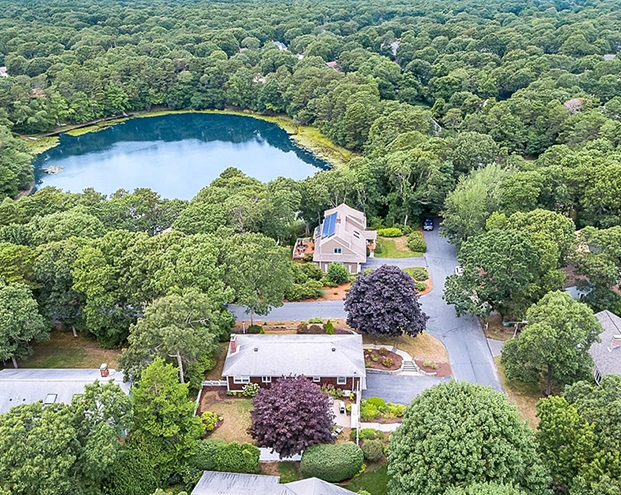
Cape Cod offers diverse property types across its towns.
-
Charming Cape-style and Colonial homes are abundant in Barnstable and Yarmouthmaritime activity.
-
Quaint beachfront cottages line the shores of Chatham and Wellfleet. Village centers.
-
Waterfront estates with panoramic harbor views are found in Nantucket and Hyannis.
-
Low-maintenance condos and townhomes are popular in Falmouth and Dennis.
Many homes for sale on Cape Cod showcase historic charm and outdoor living, blending coastal elegance with tradition. From cozy cottages to luxury estates, Cape Cod has something for every lifestyle.
Architectural styles on Cape Cod range from traditional Cape Cod cottages and classic Colonial homes to elegant shingle-style residences and modern coastal designs. The region’s historic character is especially prominent in Chatham, Hyannis, and Sandwich, where preserved details, weathered shingles, and thoughtful renovations reflect generations of seaside living.
Amenities on Cape Cod often center on outdoor and waterfront living, including direct water access, private docks, swimming pools, and landscaped gardens. Many communities also offer golf courses, marinas, yacht clubs, and country clubs, supporting an active coastal lifestyle. These sought-after amenities enhance daily enjoyment while significantly boosting resale value and rental appeal.
Each of Cape Cod’s 15 towns offers a distinct way of life, shaped by its coastline, village center, and pace.
From quiet beaches and scenic bike trails to active harbors, walkable downtowns, and waterfront dining, every community delivers a different Cape experience.

Outdoor Recreation and
Attractions
Beaches, biking trails, hiking paths, boating, fishing, and kayaking are some of the top things to do on Cape Cod and shape the rhythm of life there.
- The Cape Cod National Seashore preserves stunning dunes and shoreline stretching from Eastham to Provincetown.
- Lighthouses like Nobska in Falmouth and Chatham Light offer historic charm and iconic views.
- Trails such as the Cape Cod Rail Trail running through six towns and Shining Sea Bikeway that traverses Falmouth provide scenic cycling routes.
- Museums and galleries, including the Cape Cod Museum of Art in Dennis and the Heritage Museums & Gardens in Sandwich, enrich the cultural landscape.
Events and Festivals
Cape Cod’s calendar is alive year-round with arts shows, seafood festivals, live music, and farmers markets. Highlights include:
-
The Chatham Annual Arts Festival, the Wellfleet OysterFest, and summer concerts at Cape Cod Melody Tent.
-
Farmers’ markets in towns like Orleans, Falmouth, and Brewster showcase local produce, crafts, and artisanal goods.
Homes near these hubs benefit not only from lifestyle perks but also from strong seasonal rental demand, making the Cape both a vibrant place to live and a savvy investment location. Inquire for investment opportunities.
Late spring through summer is the busiest season for Cape Cod homes for sale. Vacation and second-home buyers are most active, but well-priced properties can sell year-round in Cape Cod real estate.
Accurate pricing is key in Cape Cod real estate. Overpricing can slow your sale, while the right price attracts serious buyers quickly, especially during the peak summer market.
Yes. For Cape Cod houses for sale, documented short-term rental income can make your property more appealing to investors and vacation buyers. Showing potential rental revenue increases buyer interest.
Late spring through summer is the busiest season for Cape Cod homes for sale. Vacation and second-home buyers are most active, but well-priced properties can sell year-round in Cape Cod real estate.
Yes. Most Cape Cod homes use septic systems, and buyers expect proof they’re functioning properly. A Title V inspection is often required, and addressing issues ahead of time can make your sale smoother.
Flood risk is important in Cape Cod real estate. Buyers consider insurance costs and coastal exposure, so providing accurate information about elevation and flood insurance builds confidence.
Turnkey, furnished homes are attractive to vacation buyers and investors. Selling furnished can help your Cape Cod home for sale sell faster and sometimes at a higher price.
Ready to make Cape Cod Your Home
or Invesment?
Work with TODAY Real Estate, a trusted local team with deep roots in Cape Cod and the Islands since 1985. Founded on values of hard work, exceptional service, and community dedication, the firm blends old‑school relationships with cutting‑edge technology to position your listing for the right buyers and help you find the perfect property.
Whether you’re selling a waterfront cottage or buying your next coastal home, TODAY Real Estate’s regionally based associates know the towns, schools, trends, and hidden gems that make every neighborhood unique. From seasonal demand to long‑term value, they’ll guide you every step of the way.
Let TODAY Real Estate help you unlock the full potential of Cape Cod living
and investment. Call 508.790.2300 or send us a message to get started!